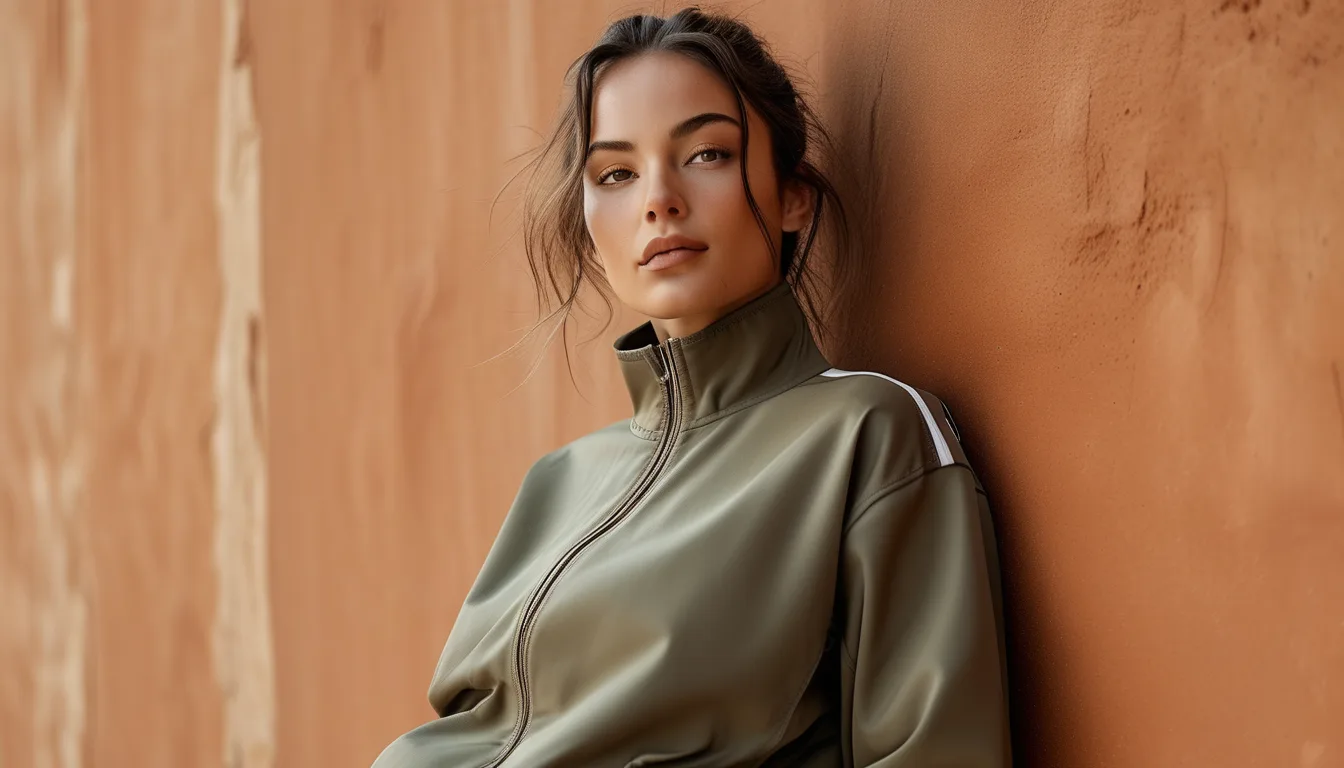
Your Summer Earth Tones Are About to Look Different - Here Is What Changes
Quick Answer: Earth tones transition better than any other palette because they share undertones with autumn light, which becomes warmer and lower as the season progresses. What changes is depth: summer earth tones tend to be light and dusty, and autumn light drains light values while enriching deeper ones. Shifting the same palette two steps darker keeps it working without buying new colors.
The piece that actually needs changing is usually the footwear, not the outfit.
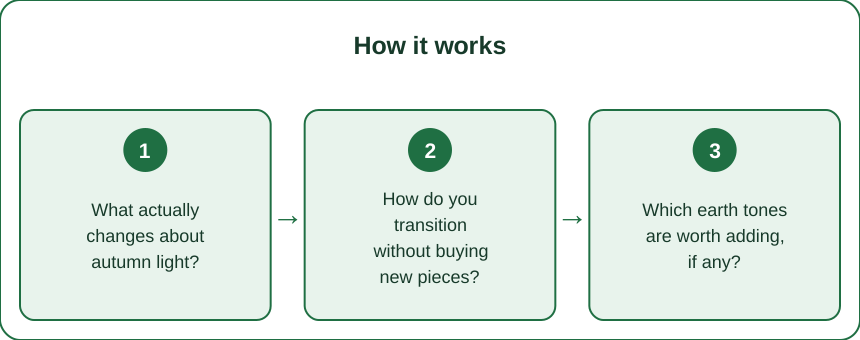
What actually changes about autumn light?
Two things, and both favor deeper colors.
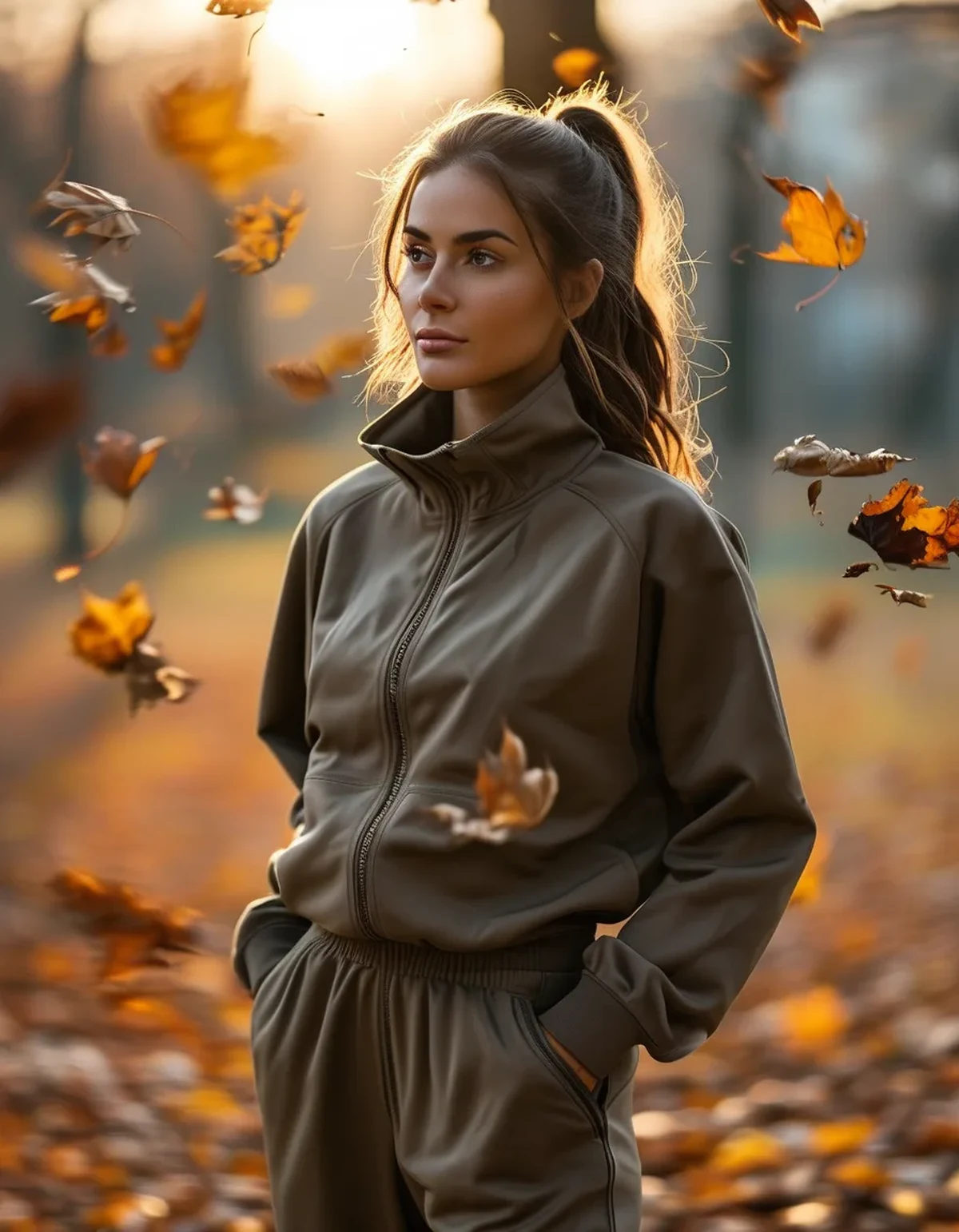
The sun sits lower. Light travels through more atmosphere at a low angle, which scatters more short-wavelength blue light and leaves the remaining light warmer. Autumn daylight is genuinely more golden than summer daylight, which is why photographs taken in October look different from the same scene in June.
Overall intensity falls. Fewer hours, lower angle, and more cloud in most regions. Lower light intensity affects pale colors disproportionately - a light dusty sage that read as fresh and crisp in strong summer sun reads as washed out and slightly grey in soft October light.
Which colors gain in autumn light:
- Deep rust, terracotta, brick - warm reds that the golden light enriches
- Olive and forest green, which pick up the warmth and read as rich rather than muddy
- Chocolate, espresso and deep camel, which are the strongest performers of all
- Mustard and ochre, which are essentially the color of the light itself
Which colors struggle:
- Pale sage and dusty mint, which lose their crispness and go grey
- Light blush and pale clay, which flatten
- Anything very light and cool-toned, which is the summer earth tone palette in a sentence
- Bright white, which reads stark against the warmer surroundings in a way it does not in summer
The practical takeaway. You do not need a different palette. You need the same palette two steps deeper, and often that means changing which pieces you reach for rather than buying anything.
How do you transition without buying new pieces?
Four moves, in order of effectiveness and none requiring a purchase.
1. Change the proportion of light to dark. If your summer default was a light top with light bottoms, switch to dark bottoms with the same light top. Weighting the lower half darker is the single fastest seasonal signal and costs nothing if you own black or charcoal.
2. Change the footwear. Pale summer sneakers are the piece most likely to make an autumn outfit read as out of season. Moving to a darker sneaker, a leather sneaker, or an ankle boot updates the whole outfit without touching the clothes. This is the highest-impact single change available.
3. Add a deeper layer over the top. A charcoal, olive or chocolate outer layer over a pale earth-tone base grounds it immediately. The layer does the seasonal work while the base stays the same.
4. Change the metals and accessories. Warmer metals - gold, bronze, brass - align with autumn light. Cool silver reads more summer. Small effect, zero cost, and it compounds with the others.
What you should not do:
- Put away every light piece. Early autumn still delivers warm bright days, and a pale earth tone in strong midday sun in September is completely appropriate
- Buy a whole autumn palette. Earth tones are the palette that already transitions. The whole point is that you own most of what you need
On timing. The change is gradual and there is no date. A useful marker: when you start reaching for a jacket by default, the outfit underneath should also have moved. People typically update the outer layer three weeks before they update anything else, which is why the transitional period looks slightly disjointed.
Which earth tones are worth adding, if any?
Three, if you want to buy anything at all, chosen for how much they extend what you already own.
1. A deep chocolate or espresso bottom. The most useful autumn purchase in this palette.
- Works with every earth tone you own, warmer and softer than black
- Reads more considered than black in an athleisure context
- Pairs particularly well with cream and camel, which are usually already in a summer earth tone wardrobe
2. A rust or terracotta top. The color autumn light was made for.
- Enriches rather than flattens as the light warms
- Works against both olive and chocolate, so it slots into existing combinations
- Strong choice for outdoor photographs, if that matters to you
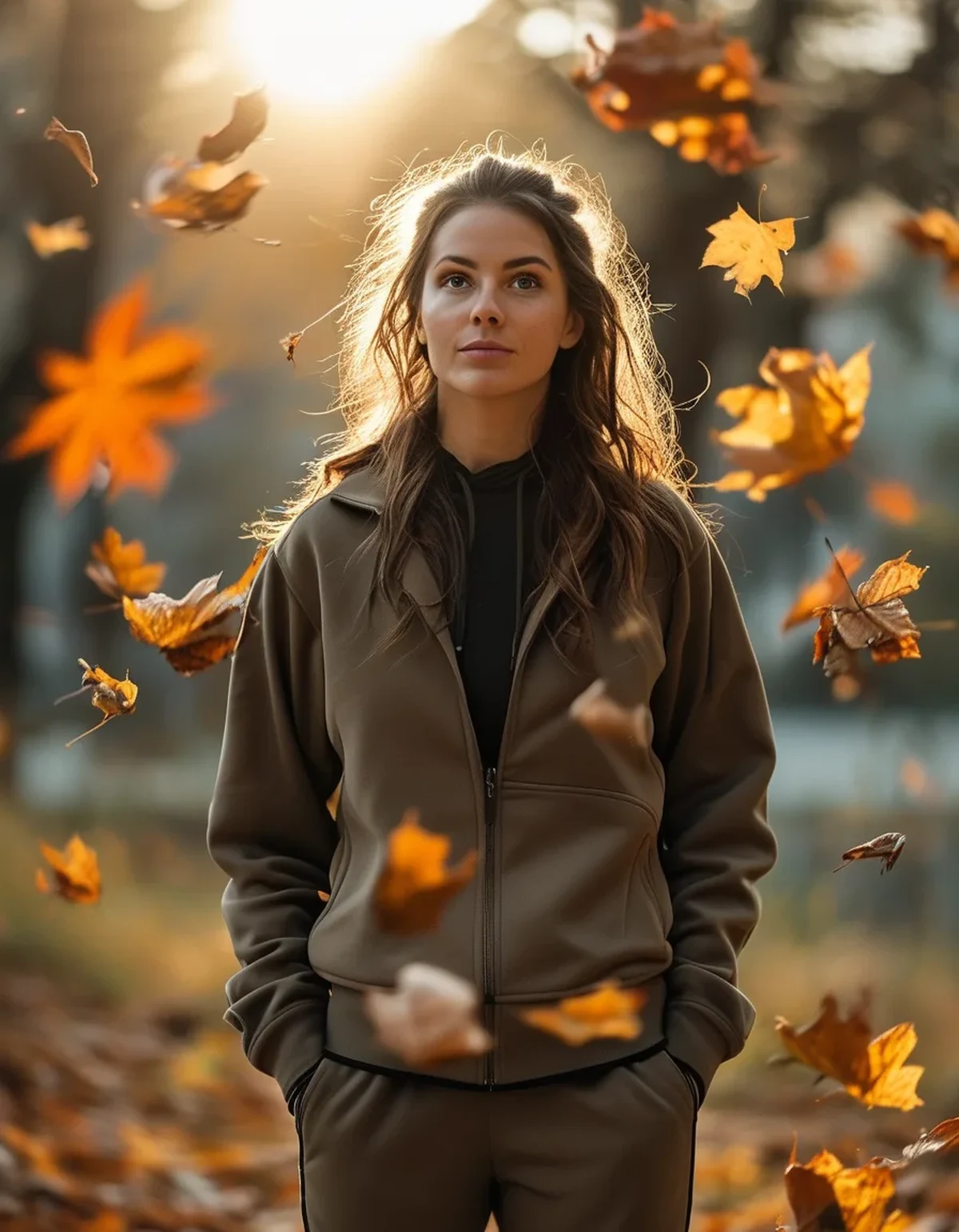
3. A mid-weight olive layer. The most versatile third piece.
- Olive is functionally a neutral in an earth tone palette, working with rust, chocolate, cream and camel alike
- A zip layer or overshirt in olive covers the widest range of temperatures and outfits
What to avoid buying:
- More light dusty tones, which is what most people already have too many of and which underperform for the next five months
- Very saturated autumnal shades - deep burgundy, strong orange - which are fashionable and pair with much less than the three above
On fabric, which matters as much as color here. The same olive in a lightweight summer jersey and in a mid-weight ribbed knit read as different colors. Heavier fabric holds and returns light differently, appearing richer and deeper. Part of why a summer piece feels wrong in October is texture rather than hue, and it is worth checking before concluding the color is the problem.
What Nobody Tells You About Building a Seasonal Neutral Palette
Undertone matters more than the color name. Two pieces both called sage can be one warm and one cool, and they will look wrong together in any light. Compare pieces side by side in daylight rather than trusting names.
Earth tones show wear more than black. Fading, pilling and sweat marks are all more visible on mid-tone warm colors. A camel legging tells the truth about its age in a way a black one does not.
The palette is forgiving to mismatch, which is its real advantage. Two earth tones that do not exactly match still look coordinated, whereas two slightly different blacks look like a mistake. This is the practical argument for the palette and it rarely gets made.
Autumn light is genuinely better for photographs. Lower, warmer and more diffuse, and it flatters this palette specifically. Anyone photographing outfits or workouts gets a free upgrade for about eight weeks.
Cream is the hardest piece to carry into autumn and the most worth doing. It reads fresh and deliberate against darker layers, and it is the fastest way to stop an all-earth-tone outfit reading as drab. The obstacle is practical rather than aesthetic - cream is harder to keep clean in wet autumn weather.
Do not chase the exact shades in the seasonal palettes. They change annually and your existing pieces do not. Depth and undertone are what make the palette work, and both are stable year to year.
FAQ: Earth Tones in Autumn, Answered
Do earth tones work in autumn?
Better than in summer. Autumn light is warmer and lower, which shares undertones with the palette and enriches deeper shades specifically.
Why does my sage set look washed out now?
Pale, cool-toned colors lose their crispness in lower-intensity light and read grey. The same color family two steps deeper works far better.
What is the cheapest way to make summer earth tones look seasonal?
Change the shoes and darken the bottom half. Pale sneakers are the piece most likely to make an autumn outfit read as out of season.
What single color is worth adding?
A deep chocolate or espresso bottom. It works with everything already in an earth tone wardrobe and reads warmer and more considered than black.
Should I put away all my light pieces?
No. Early autumn still has warm bright days where light earth tones are exactly right. Change the proportion, not the whole wardrobe.
Why do two sage pieces look wrong together?
Different undertones - one warm, one cool. Compare pieces side by side in daylight rather than relying on the color name.
TL;DR:
- Autumn light is warmer and lower, which enriches deep earth tones and drains pale, cool ones
- You need the same palette two steps deeper, not a different palette
- Change the shoes and darken the bottom half first - the highest impact for zero cost
- If you buy one thing, make it a deep chocolate bottom; then rust, then a mid-weight olive layer
- Compare undertones in daylight; two pieces called sage can be a warm and a cool version
The forgiving mismatch is this palette’s real advantage. Two earth tones that do not quite match still look coordinated - two slightly different blacks never do.
Keep Reading
This article is for general informational and styling purposes only. Fit, sizing, and product availability may vary.