How to Transition Your Earth Tone Wardrobe From Summer to Fall
Quick Answer: Warm, light earth tones — sand, bone, oat, light clay — read as summer. Deep, saturated earth tones — olive, rust, chocolate, deep terracotta — read as autumn. The transition is not about swapping the palette but about shifting the value: keep the same hue family and go two steps darker. Adding one deep anchor piece in September carries a whole summer wardrobe forward.
Earth tones are the easiest palette to transition because the hue family does not change, only the depth.
Why do the same colours read differently by season?
Two reasons, and one of them is entirely about light.
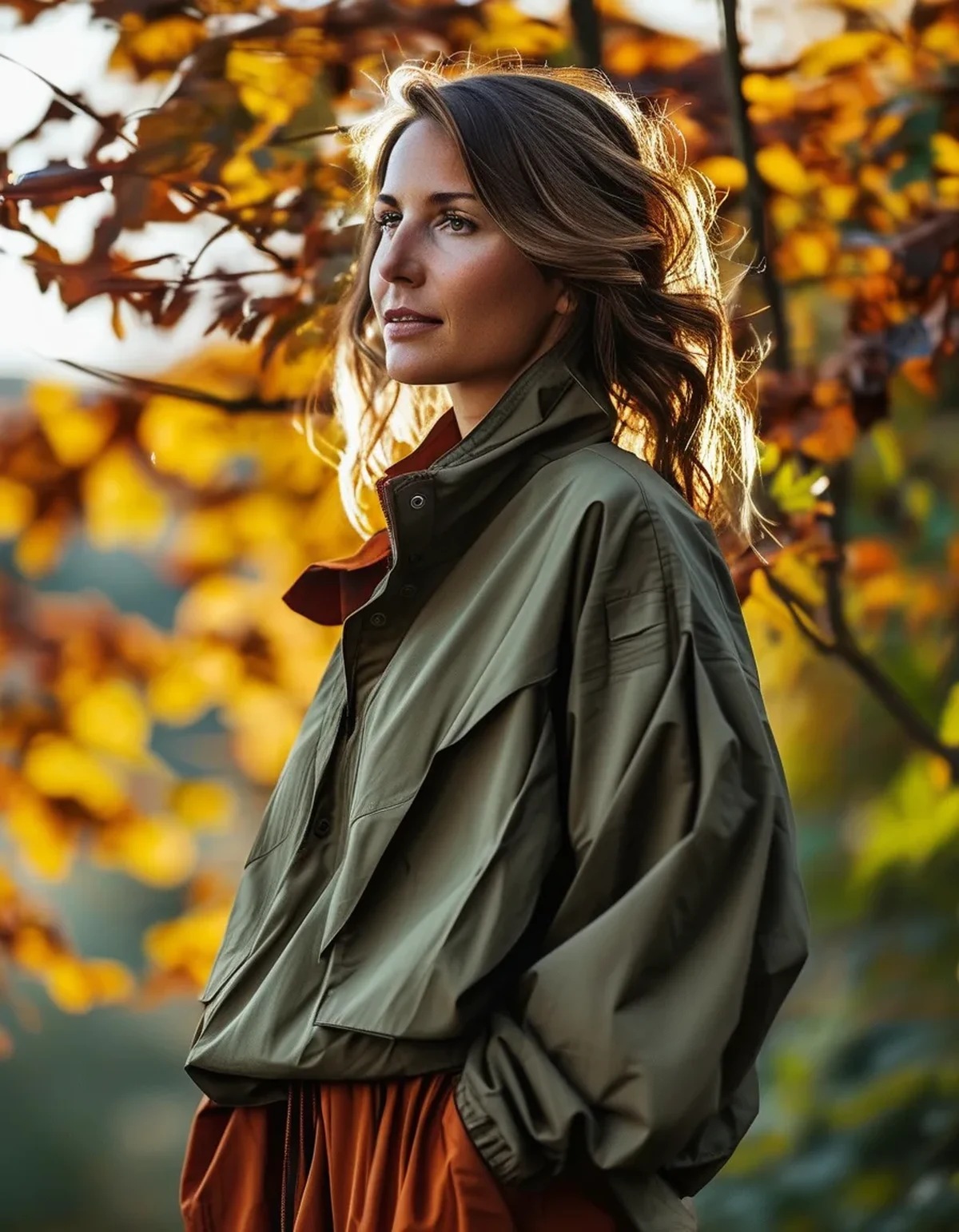
The light changes. Late-summer sunlight sits lower in the sky and travels through more atmosphere, which makes it warmer and more golden. Colours that looked crisp under high overhead July light look richer and slightly deeper in September. A sand tone that read as fresh and bright in July reads as slightly washed out in the same light six weeks later.
The context changes. Colour is relational. A light oat legging against green foliage looks light; against turning leaves and browner grass, it looks pale and slightly disconnected. The environment is providing a different backdrop, and the same garment sits differently against it.
Value matters more than hue. This is the key insight for the whole transition. A light clay and a deep terracotta are the same hue family at different values, and value is what carries the seasonal signal. Going darker within the same family is the entire move, and it is why an earth-tone wardrobe transitions more easily than a bright one.
This also means you do not need to replace anything. You need to add depth at the anchor points.
Which pieces carry through and which stall?
A fairly clean split, and knowing it saves money.
Carries through easily: olive in any weight, chocolate and coffee tones, rust and burnt orange, deep camel, and anything in the mushroom-to-taupe range. These read correctly from June to December.
Carries through with a darker partner: sand, oat, bone, and light clay. On their own from late September they read as leftover summer. Paired with a deep olive or chocolate anchor, they read as intentional autumn neutrals. The pairing is the whole fix and it costs nothing.
Stalls: very light, cool-leaning neutrals — anything approaching a chalky white or a grey-beige. These sit awkwardly against autumn light and autumn surroundings, and no pairing quite rescues them.
Stalls in texture rather than colour: lightweight, open-knit, and mesh-heavy pieces in perfectly good autumn colours still read as summer, because texture carries a seasonal signal independently of hue. A deep olive mesh-panel legging reads summer; the same colour in a smooth mid-weight reads autumn.
The practical audit: lay out your earth tone pieces and sort into three piles — dark enough to anchor, light enough to need a partner, and too light or too open to transition. Most people find the middle pile is by far the largest, which means the transition costs one or two purchases rather than a wardrobe.

What should you actually add?
Three pieces cover the entire transition, and one of them does most of the work.
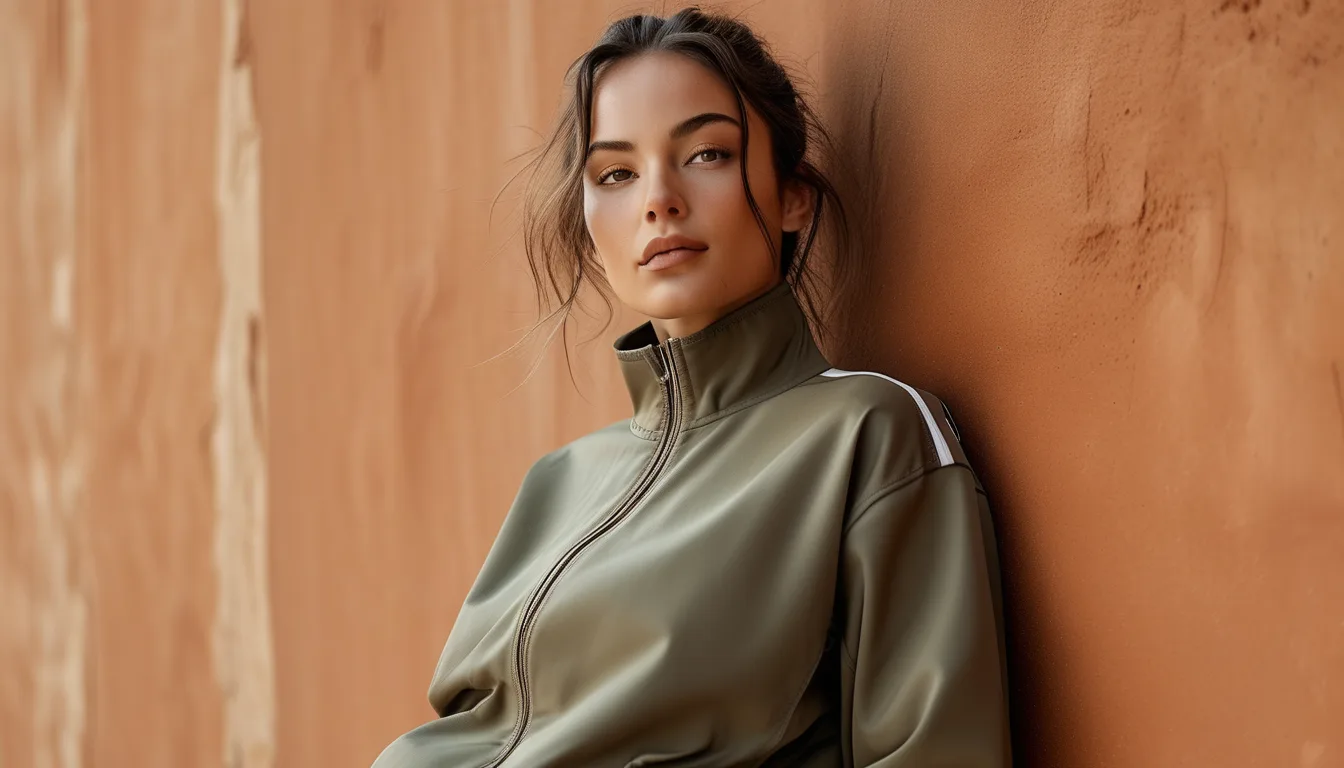
One deep anchor layer. A jacket, an overshirt, or a heavier zip in chocolate, deep olive, or a dark rust. This is the highest-value single purchase, because it converts every light piece you own into an autumn outfit by sitting on top of it. If you buy one thing, buy this.
One mid-weight bottom in a deep tone. A full-length legging or a straight-leg trouser in olive or chocolate. Bottoms carry more visual weight than tops, so a dark bottom shifts the whole outfit’s seasonal read more efficiently than a dark top does.
One textured mid layer. A ribbed knit, a waffle, or a brushed fabric in any earth tone. Texture is doing seasonal work independently of colour, and a textured piece in a light sand still reads autumn where a smooth one in the same colour does not.
What not to buy: more light neutrals, however good the sale is. This is the moment they get discounted precisely because the season for them is ending, and buying them now means storing them for nine months.
And on the specific week: late August through mid-September is when the deep tones arrive in stores and the light ones go on sale. Buying the anchor at full price now and the light pieces on sale next August is the correct order, and it is the reverse of what the discount cycle encourages.
Myth vs Fact: earth tones through the seasons
Myth: Earth tones are inherently autumnal. Fact: The family spans the whole year. Sand, bone, and light clay are summer colours by any reading. The association with autumn is about the deep end of the family, not the family itself.
Myth: You should not wear light neutrals after Labor Day. Fact: The rule about white is a social convention that has largely dissolved, and it never applied to warm neutrals at all. Light earth tones through autumn look considered when they are anchored by something deeper, which is a styling question rather than a rule.
Myth: Mixing warm and cool neutrals looks wrong. Fact: It looks deliberate when the values are managed. A warm camel with a cool grey works when one clearly dominates. It looks accidental when they are at the same value and roughly equal in proportion.
Myth: Earth tones are boring. Fact: A palette where every piece works with every other piece is doing something bright colours cannot. The interest comes from texture and value contrast rather than from hue contrast, which is a different design approach rather than an absence of one.
Myth: You need to match undertones exactly. Fact: Within the earth tone family, small undertone mismatches read as depth rather than error. It is the large mismatches — a distinctly pink beige next to a distinctly yellow one — that jar, and even those are usually solved by putting a dark piece between them.
FAQ: Earth Tone Transition Questions, Answered
Which single colour is most useful across both seasons?
Olive, by a clear margin. It works with every other earth tone, it reads correctly in every month, and it is flattering across a very wide range of skin tones. If you are building the palette from nothing, start there.
How do I stop an all-neutral outfit looking flat?
Value contrast and texture. Three pieces at three clearly different depths — light, mid, dark — with at least one textured surface reads as designed. Three pieces at the same depth reads as flat regardless of how good the individual colours are.
Do earth tones photograph well for fitness content?
Very well in natural light, and less well under gym fluorescents, which skew colours green and flatten warm tones. If you shoot indoors, the deeper end of the palette holds up considerably better than the light end.
TL;DR:
- The transition is about value, not hue — keep the same earth tone family and go two steps darker.
- Olive, chocolate, rust, and deep camel carry through all year; sand, oat, and bone need a dark partner from late September.
- Texture signals season independently of colour — a light sand in a waffle knit reads autumn where a smooth one does not.
- Buy one deep anchor layer first; it converts every light piece you already own into an autumn outfit.
- Skip the late-summer sales on light neutrals, however tempting — they are discounted because their season is ending.
One dark jacket in chocolate or deep olive does more for a late-August wardrobe than five new pieces in the colours you already have.
See It in Motion
Seen here: High Waist 8” Yoga Shorts — shop similar styles on bubblelime.com
Keep Reading
This article is for general informational and styling purposes only. Fit, sizing, and product availability may vary.