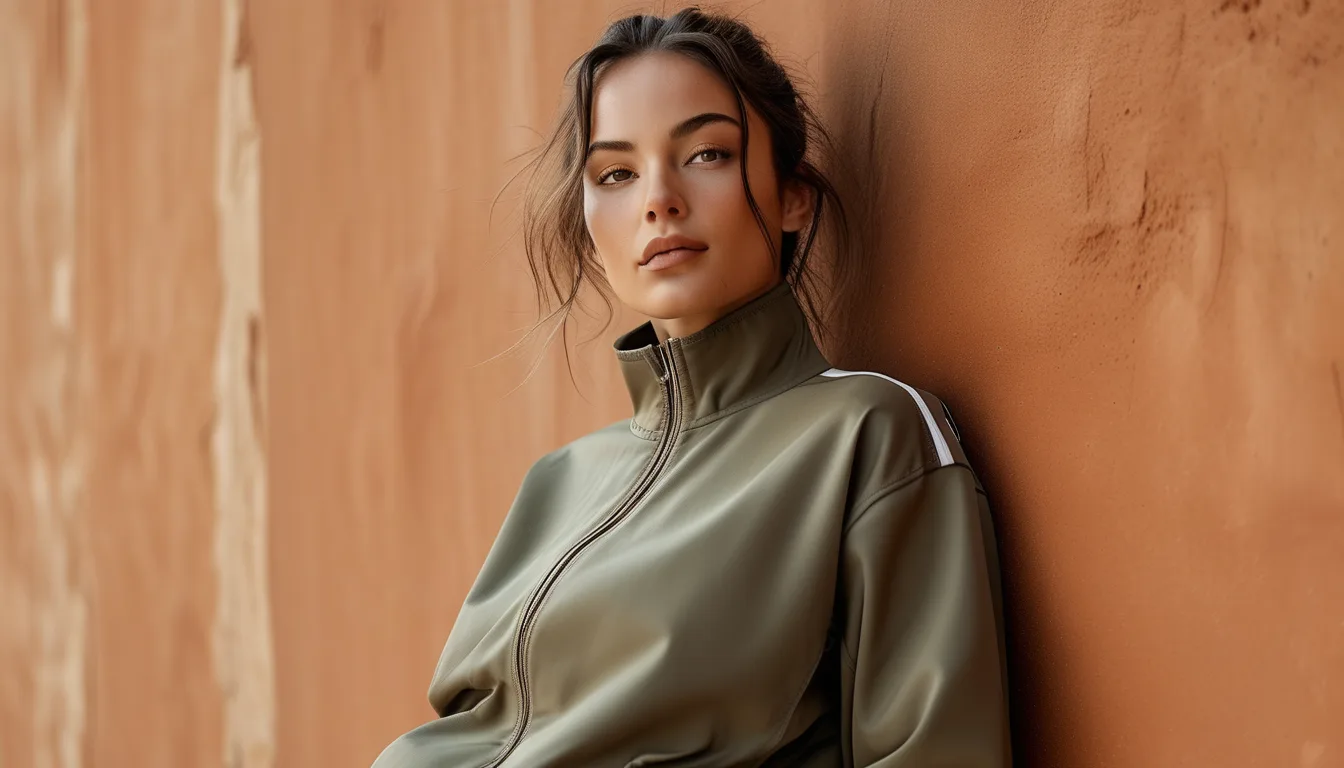
Why Some Earth Tones Look Expensive on You and Others Look Muddy
Quick Answer: Earth tones aren’t a single family — each one carries either a warm (yellow or red) or cool (blue or gray) undertone underneath the brown or green base, and a shade reads as flattering when its undertone matches yours. Warm undertones suit camel, rust, and yellow-olive; cool undertones suit taupe, cocoa, and gray-olive. The same nominal color in the wrong undertone is what produces the muddy result.
Earth tones get recommended as universally wearable, which is only true if you’re picking within your half of the family.
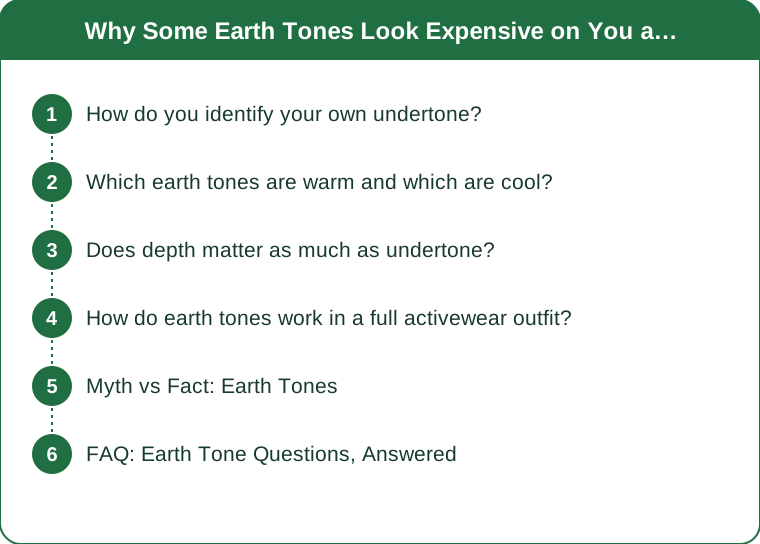
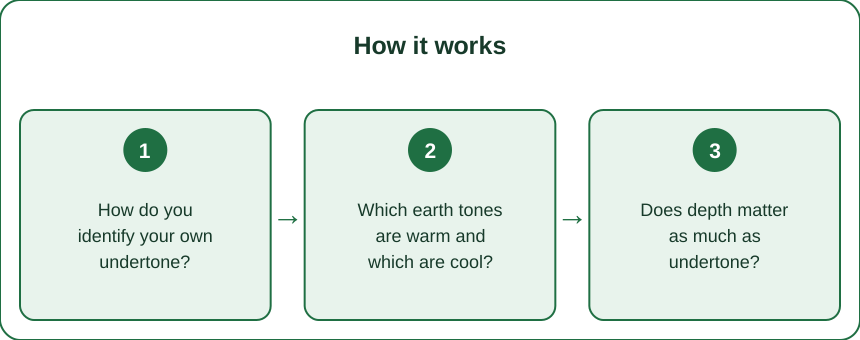
How do you identify your own undertone?
The most reliable at-home test is comparing a piece of pure white fabric against a piece of cream fabric under natural daylight. If your skin looks healthier and brighter against pure white, you likely lean cool; if cream is more flattering and white looks harsh, you likely lean warm.
A second check: look at the veins on the inside of your wrist in daylight. Blue or purple suggests cool; green suggests warm; a mix suggests neutral, which is genuinely common and means most earth tones will work with some adjustment for depth. Undertone doesn’t change with a tan — depth changes, undertone stays constant, which is why the shades that work in August also work in February at a different intensity.
Which earth tones are warm and which are cool?
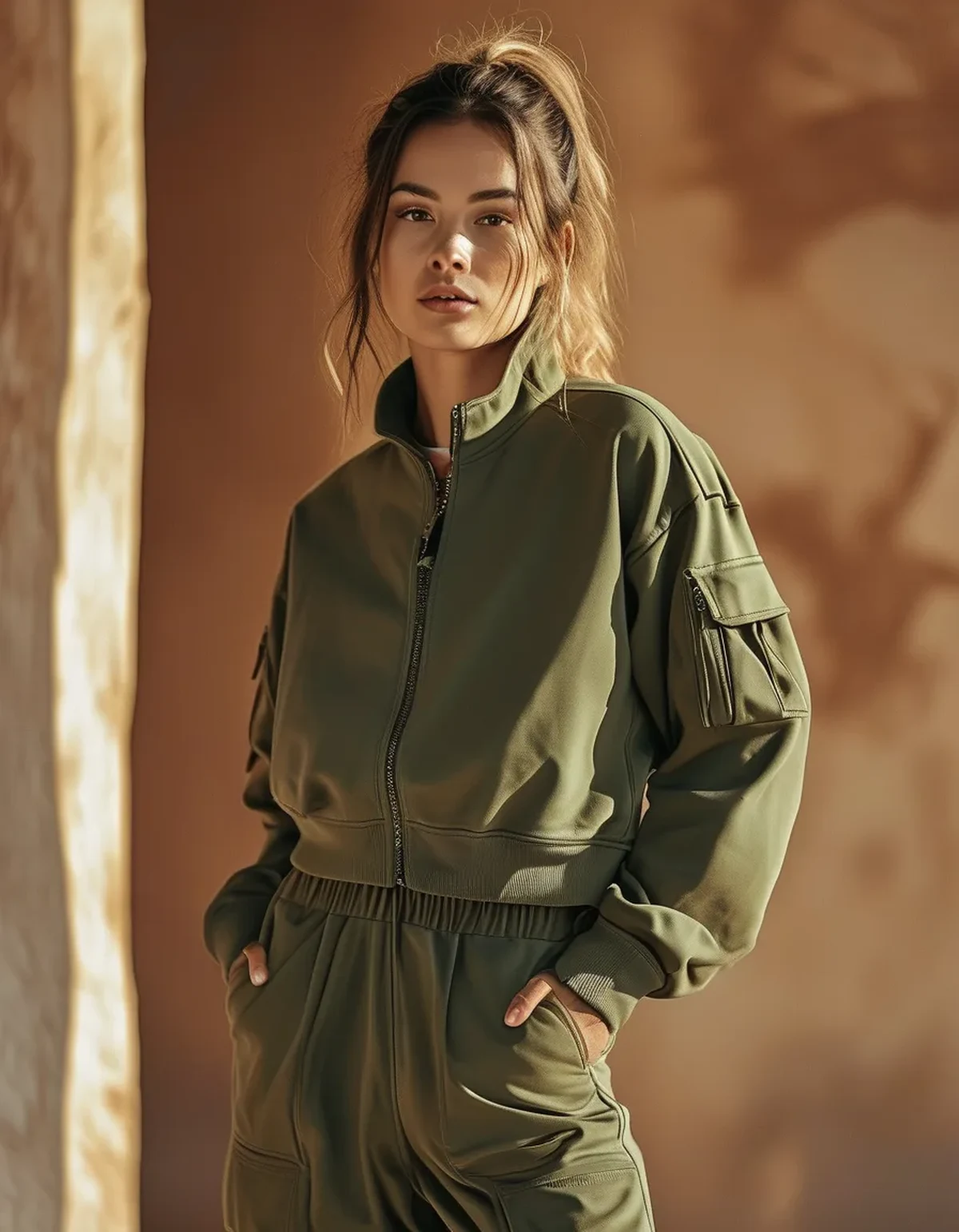
The families split fairly cleanly. Warm earth tones include camel, caramel, rust, terracotta, mustard, and yellow-based olive — anything where you can sense yellow or orange underneath.
Cool earth tones include taupe, cocoa, mushroom, slate-brown, and gray-based olive — the ones with a hint of blue or gray under the brown. Olive is the trickiest of the group because it exists in both families and gets called the same name either way. A yellow-olive and a gray-olive look nearly identical on a screen and behave completely differently on the body, which is why olive gets such mixed reviews as a color.
Does depth matter as much as undertone?
It matters for a different reason. Undertone decides whether a shade harmonizes; depth decides whether it creates enough contrast to be interesting.
A correctly-undertoned shade that’s very close to your own skin depth can still look flat, because there’s nothing separating the garment from you visually. Choosing a shade noticeably deeper or lighter than your skin solves that without changing the undertone match. This is why the same person can wear both a deep chocolate and a pale oatmeal successfully — same undertone family, different depths, both creating contrast.
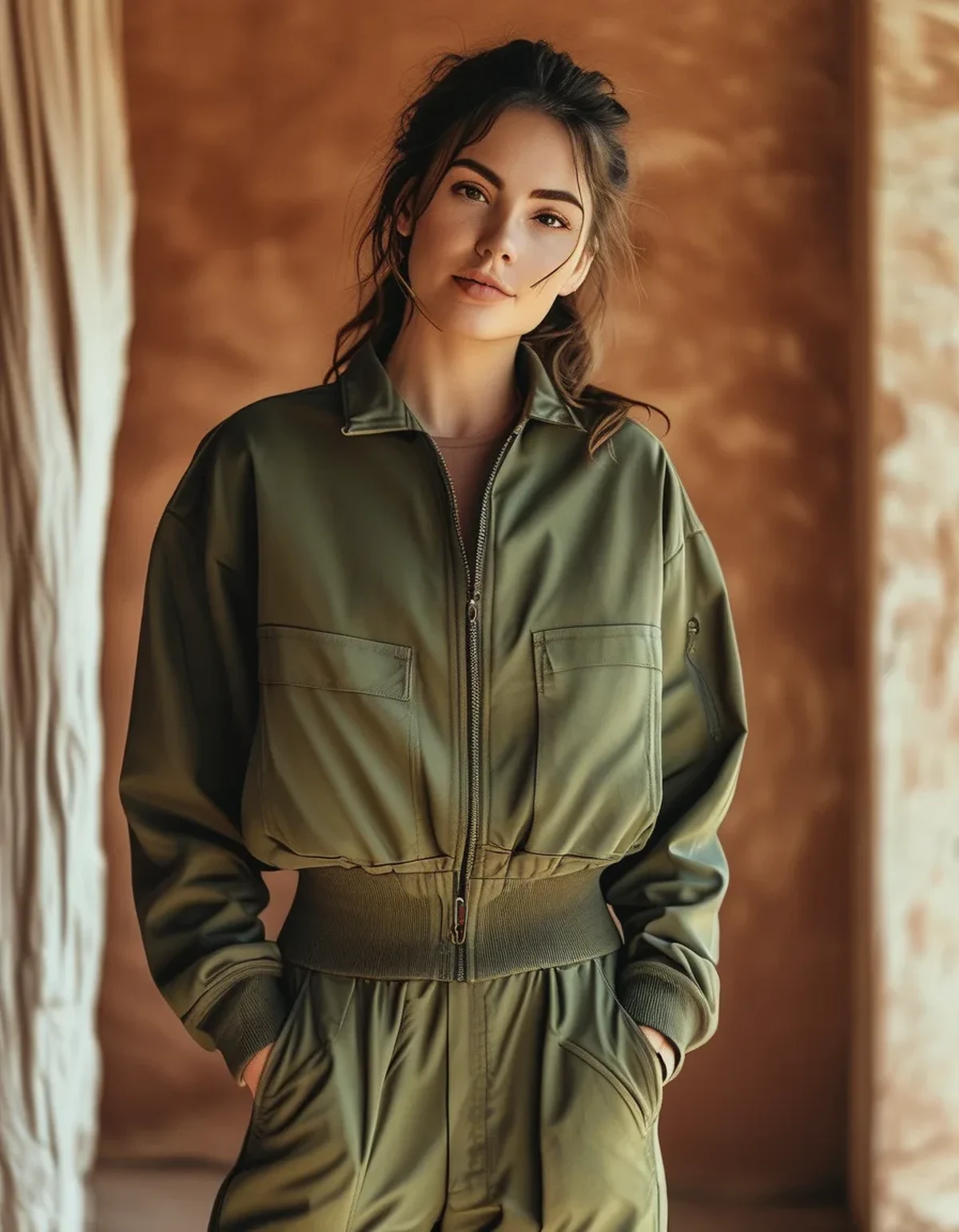
How do earth tones work in a full activewear outfit?
Tonal dressing — several shades from the same undertone family at different depths — is the strongest approach and it’s why earth-tone sets photograph so well. Camel with rust with cream reads as intentional; camel with taupe reads as accidental, because the undertones clash even though both are neutrals.
For a single-color set, a matching legging and top in the same earth tone creates an unbroken vertical line that’s genuinely leg-lengthening. And when adding a non-earth accent, cream and off-white work with both families, while pure white tends to make warm earth tones look dusty. It’s the one accent worth choosing carefully.
Myth vs Fact: Earth Tones
Myth: Earth tones are universally flattering. Fact: the family is universally available — every undertone has good options in it — but individual shades are not interchangeable.
Myth: Beige and taupe are the same neutral. Fact: beige is warm and taupe is cool. Swapping them is one of the most common sources of the muddy effect.
Myth: Earth tones are a fall-only palette. Fact: lighter earth tones — oatmeal, sand, pale clay — work through summer, and the late-summer window is where they arguably look best.
FAQ: Earth Tone Questions, Answered
Can neutral undertones wear both families?
Yes, and that’s the advantage — though most neutral-undertone people still lean slightly one way. Testing a warm and cool version of the same shade side by side reveals it.
Does olive work for everyone?
Olive as a category, roughly yes. A specific olive, no — the yellow-based and gray-based versions suit opposite undertones.
How do earth tones photograph compared to brights?
Generally better in natural light and worse under fluorescent, which shifts warm tones toward yellow and can make them look dull.
TL;DR:
- Every earth tone carries a warm or cool undertone beneath the brown or green base
- Warm: camel, rust, terracotta, yellow-olive. Cool: taupe, cocoa, mushroom, gray-olive
- Olive exists in both families under the same name — check the undertone, not the label
- Tonal outfits within one undertone family read as intentional; mixing families reads as accidental
Earth tones are only universally flattering once you’re shopping within your half of the family. Find your undertone once and the whole palette gets easier.
Keep Reading
This article is for general informational and styling purposes only. Fit, sizing, and product availability may vary.